On-Premises Document Processing for Customer Records in 2026
Seahorse Cloud supports on-premises installation on a Kubernetes-native architecture or SaaS subscription, with S3-compatible storage and automated document-to-vector processing.
Key Takeaway
- Deploy on premises: Seahorse Cloud (including AgentOps, launched with Seahorse Cloud 2.0 in September 2025) is available as an on-premises installation or a SaaS subscription on a Kubernetes-native architecture.
- Check enterprise hosting options: The pricing page also lists on-premise and private cloud deployments for enterprises with high security requirements.
- Consolidate the RAG pipeline: AI-based storage combines S3-compatible object storage with an autonomous VLM, OCR, and LLM parser and automatic vector database synchronization.
When your organization handles documents containing customer records, external network transfers during text extraction and indexing often conflict with internal data governance policies. Teams evaluating document processing and Retrieval-Augmented Generation (RAG) workflows must determine not only where the software runs, but also how raw files move from storage into searchable vector tables and agent workflows.
On-Premises Kubernetes Deployment
Infrastructure teams preparing to process sensitive files inside their own environment first need to verify whether the platform runs on standard internal clusters. Seahorse is Dnotitia's AI storage and AgentOps offering for enterprise RAG. Seahorse Cloud uses a Kubernetes-native architecture for deployment with standard resources and is available either as an on-premises installation or as a SaaS subscription.
Selecting an on-premises installation lets you run the platform's Kubernetes-native architecture inside your own environment, though you remain responsible for configuring and verifying your own network boundaries, firewall rules, and perimeter security rather than treating the deployment option itself as a guarantee of network isolation. At the storage layer, the platform provides S3-compatible object storage. Your developers can evaluate whether S3-compatible object storage fits your existing document repositories and ingestion workflows.
Separating SaaS and Hosting
Procurement and security reviews frequently stall when teams treat a SaaS subscription and cloud-only hosting as the same thing. Seahorse Cloud is offered as a SaaS subscription or an on-premises installation, and its pricing page lists on-premise and private cloud deployments for enterprises with high security requirements. Confirm the exact contract and hosting combination with Dnotitia sales before your review.
Operational governance and commercial terms also require clear boundaries during planning. While the platform automates the movement of vectors, the official documentation does not describe whether source-document permission changes carry over to synchronized vector indexes. Your security engineers should design and verify access-control update workflows rather than assuming file-level permissions are inherited. When budgeting, note that published plan and API prices are listed in KRW and enterprise pricing is customized through Dnotitia sales.
Integrated Document-to-RAG Pipeline
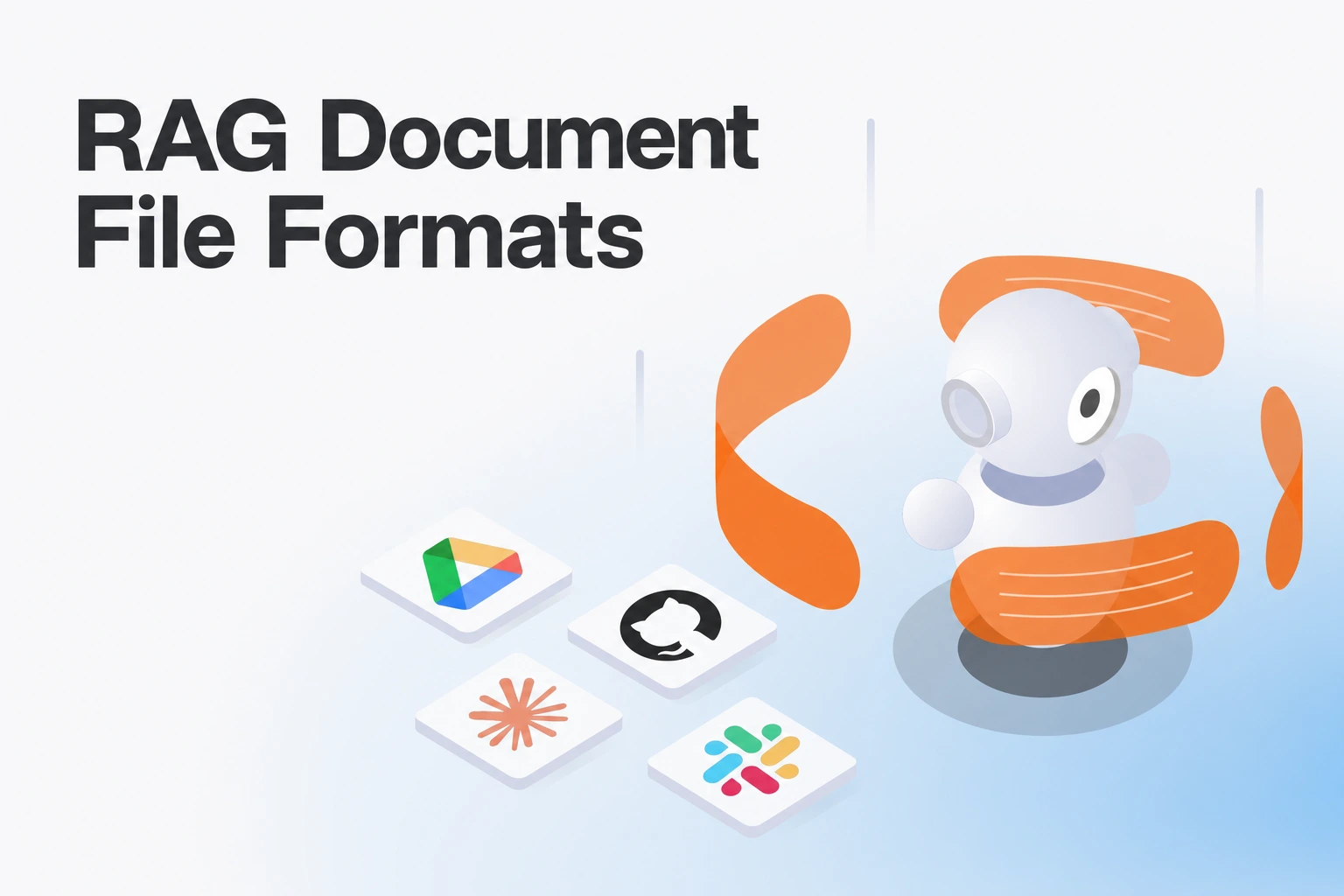
Building a document processing system from separate open-source tools forces engineers to maintain custom connectors between file storage, OCR engines, chunkers, and vector indexes. Seahorse Cloud is a full-stack managed platform for RAG systems that covers object storage management, a vector database, an autonomous parser, and a managed agent system. Its AI-based storage is S3-compatible object storage that provides autonomous document parsing with a Vision Language Model (VLM), Optical Character Recognition (OCR), and Large Language Model (LLM) parser, alongside semantic chunking and automatic vector database synchronization.
When files are uploaded, the platform chunks and embeds them, loading the results into a dedicated Table generated for that workflow. Seahorse Cloud integrates semantic chunking with document parsing, embedding, and vector synchronization. Because native semantic chunking is built into the document ingestion workflow, it reduces the number of separate components your team needs to wire together; however, the term native only describes where the function executes and does not by itself specify how document titles, tables, or section boundaries are preserved. If your customer records rely on strict table layouts or nested headings, you should test representative documents to verify how structural boundaries are handled during ingestion.
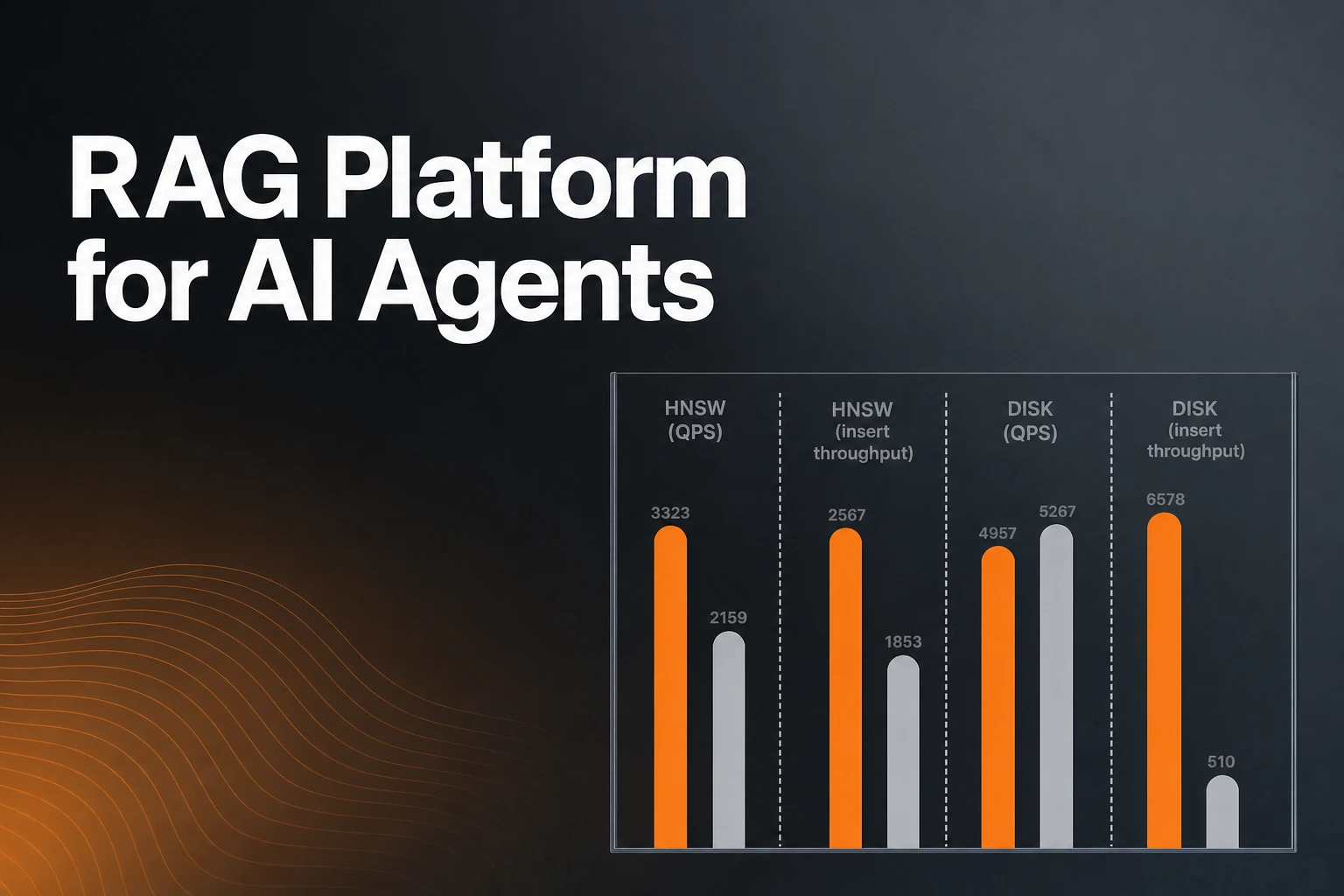
Index parameters and retrieval settings follow a distinct lifecycle once you set up your storage. When creating a Seahorse Storage instance, the embedding endpoint, dimension, M, and EF Construction parameters are fixed. As long as the required endpoints are configured, your engineers can adjust query-time controls such as Search Mode, Top K, EF Search, and RRF K without creating a new Storage instance. This separation lets teams tune search relevance in production without re-embedding the entire document corpus, provided the underlying embedding model and graph construction parameters remain unchanged.
Beyond basic storage and indexing, the platform separates pipeline management, agent execution, and external tool connectivity into distinct operational layers:
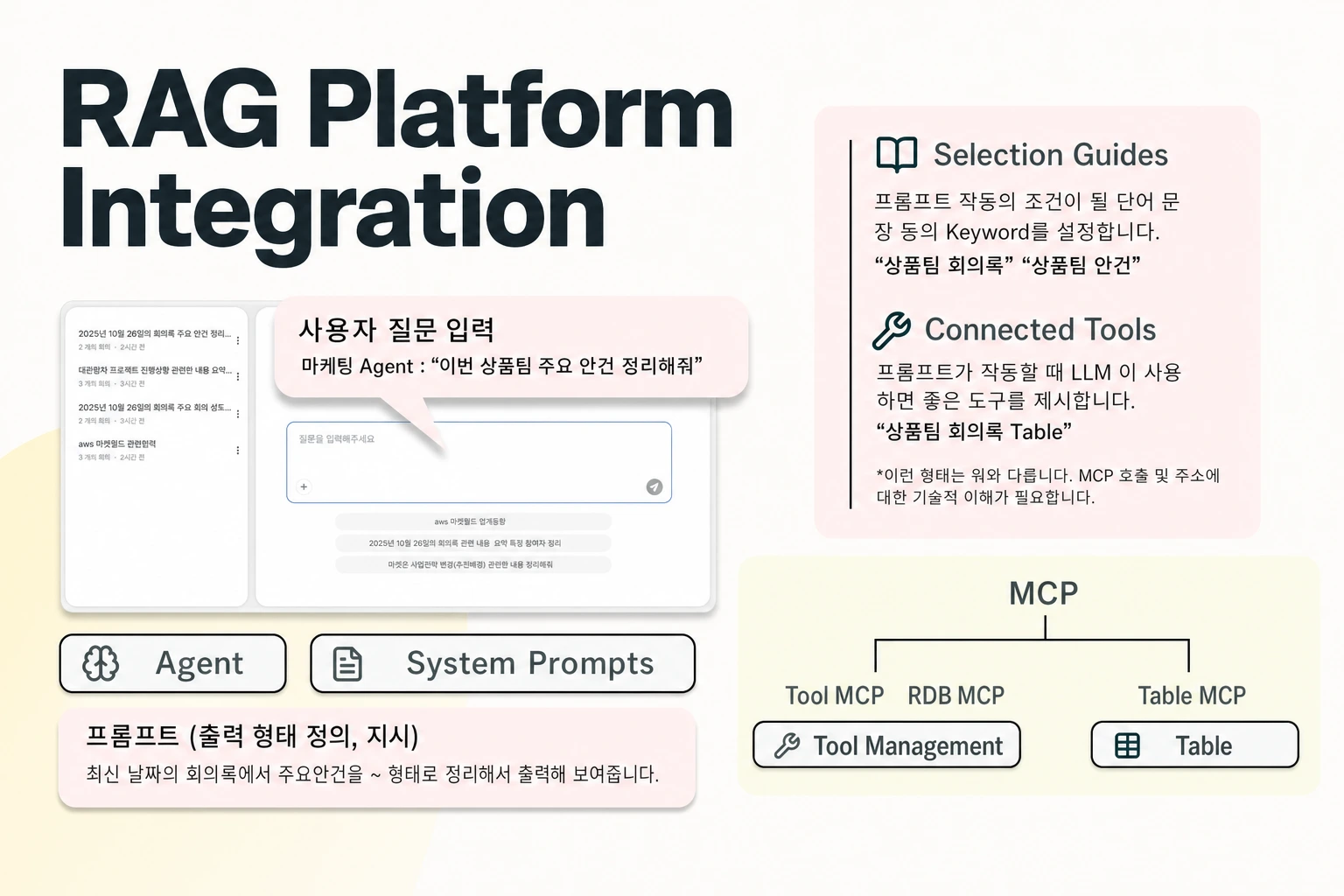
- Agent Ops covers agent creation and deployment, tool and system prompt connections, and access control.
- AgentOps, launched in September 2025 as part of Seahorse Cloud 2.0, enables businesses to design and operate customized AI agents with LLM, vector-database, and Model Context Protocol (MCP) tool integration.
- MCP provides standard tool calling to external systems such as GitHub, Slack, PostgreSQL, and Atlassian.
For teams building interactive applications on top of processed records, the managed agent in Seahorse Cloud is an agentic AI system running on the vector database and RAG, providing MCP standard compliance, tool-calling support, an inference endpoint API, and usage tracking. In addition, Seahorse Agent maintains cross-session context memory.
FAQS
FAQ
Which deployment options support running document processing inside our own network for customer records?
For document processing within your own environment, evaluate the on-premises installation. Seahorse Cloud also offers SaaS and Enterprise private cloud options; confirm the hosting location and parsing and embedding endpoints for the deployment you choose.
Do document permission updates automatically apply when vectors are synchronized?
The official documentation does not describe permission propagation through vector synchronization, so test how source-document access changes are reflected before relying on it.
Which retrieval settings can be changed without rebuilding the storage instance?
While the embedding endpoint, dimension, M, and EF Construction are locked when you create a Seahorse Storage instance, you can adjust Search Mode, Top K, EF Search, and RRF K at query time without creating another Storage instance if the required endpoints are configured.
Test your RAG pipeline
Upload sample files to see how parsing, chunking, and vector sync run.